

Key Takeaways
- Dubai has become the first city to establish clear regulations for creating and launching virtual assets.
- The Virtual Assets Regulatory Authority (VARA) provides a tailored framework for digital asset issuance, disclosure, and distribution.
- Token issuance falls into three main categories: fully licensed assets, those issued through licensed intermediaries, and limited-functionality tokens that are largely exempt.
- Transparency and accountability are emphasized; projects must publish understandable whitepapers and risk disclosures.
- This initiative positions Dubai as a global hub for digital assets, promoting innovation within a regulatory framework.
Dubai has just taken a major step in the crypto space—becoming the first place in the world to clearly define how virtual assets should be created and launched under a formal regulatory system.
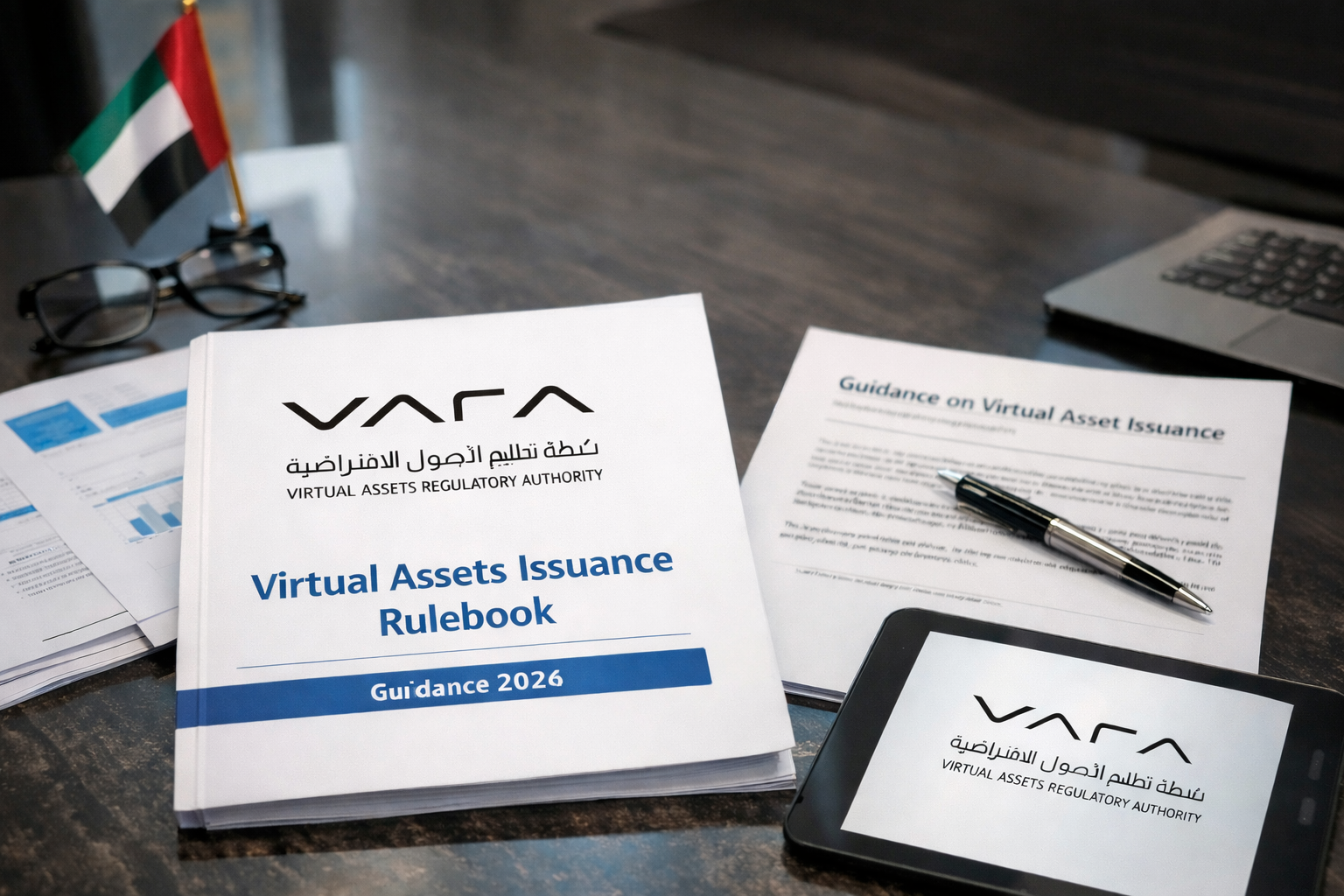
Through its Virtual Assets Regulatory Authority (VARA), the emirate introduced detailed guidance that essentially sets the rules for how digital assets are issued, disclosed, and distributed. Instead of leaving companies to interpret broad financial laws, Dubai is offering something much more tailored: a framework built specifically for crypto.
At its core, the new guidance is about clarity. It breaks down token issuance into three main categories. Some assets, like stablecoins or tokens tied to real-world assets—require full licensing and regulatory approval. Others can be issued through licensed intermediaries, while a third group is largely exempt due to limited functionality.
What stands out is how much emphasis VARA is putting on transparency. Projects aren’t just expected to launch tokens, they need to clearly explain what they’re offering. That means publishing detailed whitepapers and risk disclosures that are actually understandable, not just legal fine print.
The framework also spells out who is responsible for what. In cases where third-party distributors are involved, those partners must carry out due diligence and ensure everything stays compliant over time. It’s a shift that spreads accountability across the ecosystem instead of placing it solely on regulators.
More broadly, this move signals Dubai’s ambition to become a global hub for digital assets. By building a system designed specifically for crypto, rather than forcing it into traditional finance rules—the city is positioning itself as a place where innovation can happen, but within clear boundaries.
In short, Dubai isn’t just regulating crypto, it’s trying to set the standard for how it should be done.