

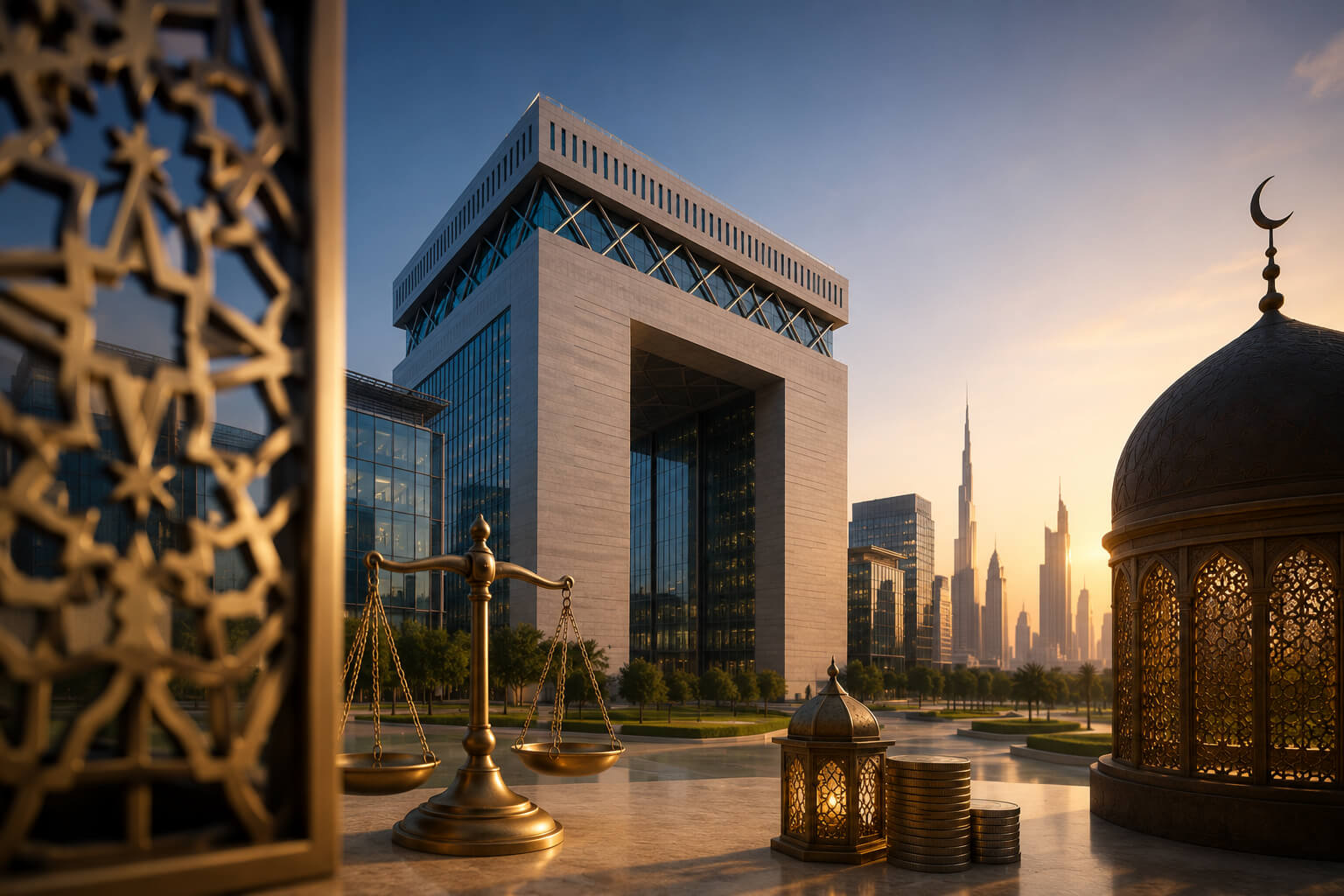
In recent times, the Dubai Financial Services Authority has announced that it will be implementing a number of enhancements to its Islamic finance regime in the Dubai International Financial Centre. This is being done as part of Dubai’s broader effort to be the leader in global Islamic finance and fintech innovations.
Proposed Enhancement to DFSA Islamic Finance Regulations
According to the news from the DFSA, the proposed enhancement entails:
- Clear guidance for those firms who offer Islamic financial services
- Higher standards of disclosure for Takaful products
- Several technical amendments to the Islamic Finance Rules (IFR) module
- Updated rules related to the endorsement of the authorized firms and institutions
This has been mentioned in Consultation Paper Number 172.
How It Supports Dubai’s Ambitions in Islamic Finance
The proposed framework changes seem to be in line with both the UAE Strategy for Islamic Finance and Halal Industry and Dubai’s Economic Agenda D33 which seeks to promote the emirate’s leadership status in finance and innovation sectors.
Dubai has been making aggressive efforts in areas like Islamic banking, Sukuk markets, Shariah-compliant fintech, Takaful insurance products, cross border Islamic finance products and others.
DIFC itself is one of the leading international financial centres in the region and hosts hundreds of firms and financial institutions in it.
Why Islamic Finance Is Increasingly Popular Globally
Islam finances have continued to grow rapidly in recent years due to increasing demands for Shariah compliant financial products. These financial products emphasize aspects such as risk sharing, asset-backed financing, ethical investments and avoidance of excessive speculation and interest.
The regulations of DIFC have been tailored to cater to both fully Islamic financial institutions as well as conventional firms providing Shariah compliant financial services.
Industry experts are of the opinion that clearer regulations can help in promoting Dubai as a place for establishing operations of foreign fintech companies and Islamic financial firms.
How Fintech Can Be Affected by Islamic Finance Regulations
With these proposed enhancements, it is possible that fintechs may receive significant boost as well. There are several areas where Islamic finance intersects fintech and these include development of:
- Digital Islamic banks
- Investment applications that follow Shariah compliance
- Takaful technology systems
- Blockchain-based Islamic finance products
Over the last few years, Dubai has emerged as an important hub for fintech innovations. This has happened because of various measures like establishing FinTech Hive in DIFC.
How Emerging Tech Impacts Islamic Finance Regulations
As Islamic finance becomes more and more intertwined with fintech innovations, it is necessary that regulations keep themselves abreast of this changing situation. Therefore, the DFSA is working towards ensuring that the regulations are flexible without compromising their effectiveness.
Greater Transparency in Market Operations
Another important aim of the DFSA consultations is to increase transparency in Islamic finance products in the market. Higher standards of disclosure will help:
- Standardizing market operations
- Improving knowledge among consumers
- Ensuring robust governance framework
- Minimizing uncertainties for both investors and the regulators
Conclusion
Overall, it seems that the proposed changes in DFSA Islamic finance regulations framework mark yet another milestone in the journey of Dubai towards becoming a global hub for Islamic finance and fintech innovation.
By implementing these enhancements, the Dubai International Financial Center can attract many Islamic banks, fintech startups and even international investors in the coming years.
It appears Dubai intends to take a leading role in the global Islamic finance market.